

What is a CRM | Why you need CRM for your business | Benefits for your Business
The business world is becoming competitive, and you don’t want to ruin the most important aspect of your business – The customer Relationship. Maintaining strong relationships with customers is vital for a successful business. And this is where Customer Relationship Management (CRM) comes into play. It is not just software or technology; it is a strategic approach that helps businesses enhance customer engagement, streamline operations, and drive growth.
Let’s delve into the importance of CRM for business and how it is essential for businesses.
What is CRM?
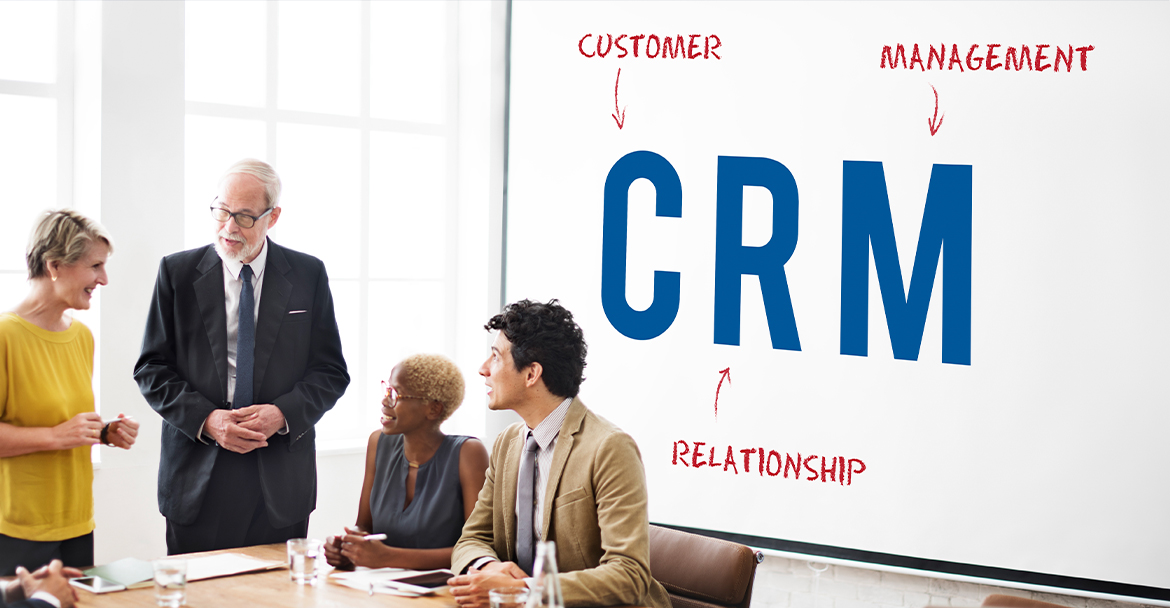
CRM stands for Customer Relationship Management. It is a comprehensive process that manages interaction with existing customers during sales. Its core objectives are to improve customer satisfaction, build lasting relationships, and boost sales and revenue. CRM systems centralize customer data, provide insights into customer behavior, and facilitate seamless communication across departments.
Benefits of CRM in Business Growth
● Improving customer engagement and satisfaction
Nowadays customers expect personalized experiences. CRM allows businesses to cater to individual preferences, track customer interactions, and offer customized solutions. With the efficient handling of queries and concerns, businesses ensure high levels of customer satisfaction.
● Building Strong Customer Relationships
Customer Relationship Management helps companies identify valuable leads and nurture them throughout their journey. Maintaining consistent and positive interactions with customers help businesses earn loyalty and trust, resulting in long-term customer relationships.
● Enhance Sales and Revenue with CRM
Customer Relationship Management empowers a business to enhance its sales by converting good leads into loyal customers. And as we’ve read in every finance book, a loyal customer brings more customers and sales than a new customer. CRM system helps the business to generate revenue and goodwill. It magnifies sales and revenue; in two ways:
❖ Streamlining Sales Processes
CRM systems enhance the sales team with lead tracking, automation, and forecasting tools. Automating routine tasks helps sales representatives to focus more on building relationships and converting leads into loyal customers and ultimately driving revenue growth.
❖ Cross-selling and Upselling Opportunities
Businesses can easily identify cross-selling and upselling opportunities by leveraging customer data. Bu recommending relevant products or services, companies can increase customer lifetime value and maximize revenue from existing customers.
● Boost Market Effectiveness
CRM helps in providing valuable customer insight and generating different segments for audiences like loyalty programs or rewards to boost business market performance.
❖ Data-Driven Marketing Strategies
CRM provides valuable customer insights, allowing marketers to segment audiences and target specific groups with personalized campaigns. This data-driven approach lets marketers know about their customers and help them approach leads to improve their marketing effectiveness and higher ROI.
❖ Improving Customer Retention and Loyalty Programs
With CRM, businesses can offer loyalty programs and customized rewards based on customers’ preferences and behaviors. Collecting feedback through the system helps marketers in refining offerings and retaining valuable customers.
How CRM can be your Centralized Business Solution?
Customer Relationship Management can be served as a centralized business solution as it enables organizations to manage their customer interactions and relationships effectively. It consolidates customer data, communication history, and relevant information into a single database accessible to various departments within the organization. The centralized approach streamlines customer-related information, fosters collaboration among teams, and improves overall customer satisfaction.
❖ Integration with Other Business Systems
The ability to integrate seamlessly with other business systems makes CRM more effective for any business. This integration facilitates the exchange of information between different departments, breaks down data silos, and ensures data from multiple sources.
❖ Real-time Data and Analytics
CRM platforms come equipped with advanced analytics, dashboards, and reporting tools. These tools enable businesses to gain valuable insights into customer behavior, sales performance, and marketing effectiveness. With the analysis of these metrics, companies can make data-driven decisions, identify growth opportunities, and address potential issues promptly. All the real-time data empowers organizations to be proactive rather than reactive, fostering continuous improvement and innovation.
Tips for Implementing Customer Relationship Management
Implementing a Customer Relationship Management system successfully requires careful planning and execution. Let’s look at some essential implementation tips for CRM:
- Define Clear Objectives
Begin by setting specific objectives for implementing the CRM system. Determine what you want to achieve with the CRM, such as increasing sales, improving customer service, streamlining processes, or enhancing data management. Having a clear understanding of your goals and objectives will guide the entire implementation process.
- Involve Key Stakeholders
While implementing the CRM always involve all the relevant stakeholders from different departments in the organization. This ensures that the system aligns with the needs and requirements of various teams, increasing user buy-in and adoption.
- Choose the right CRM for your organization
Selecting the right CRM system is crucial for successful implementation and optimal results. Businesses must carefully evaluate various CRM solutions based on their unique requirements. Factors to consider include the size of the business and the scalability of the CRM platform customization options to tailor the system to specific needs, and user-friendliness for seamless adoption by employees.
- Data Organizing and Migration
Before the implementation of CRM, clean and organize your existing customer data. This involves de-duplication, and ensuring data accuracy. With the implementation, also plan and execute a smooth data migration process from your current systems to the new CRM to prevent data loss and inconsistencies.
- Monitor Progress and Performance
Continuously monitor the progress and assess the system’s performance against the predefined objectives. Regularly review key performance indicators (KPIs) to evaluate the CRM’s impact on customer relationships and overall business goals.
- Provide Comprehensive Training
Offer various training sessions to all employees who will use the CRM system. Training should cover all relevant features and functionalities, as well as best practices for data entry, customer interactions, and reporting. Well-trained users are more likely to embrace CRM and use it effectively.
- Stay Agile and Flexible
Be open to adjustments and improvements during and after the implementation. Business needs and requirements may change over time, so having an agile approach allows you to adapt the CRM system to evolving requirements.
By following these implementation tips, businesses can maximize the benefits of CRM, enhance customer relationships, and improve overall operational efficiency.
Parting Note
CRM is a game-changer for businesses, enabling them to provide exceptional customer experiences, drive growth, and outperform competitors. By leveraging CRM strategically, companies can build lasting customer relationships, boost sales, and stay ahead of the competition.